


Mentoring and Coaching in the Workplace
As organisations, we need to look at ways to nurture and retain the best employees. This article provides a concise overview of both mentoring and coaching.
Meaning of Mentoring and Coaching
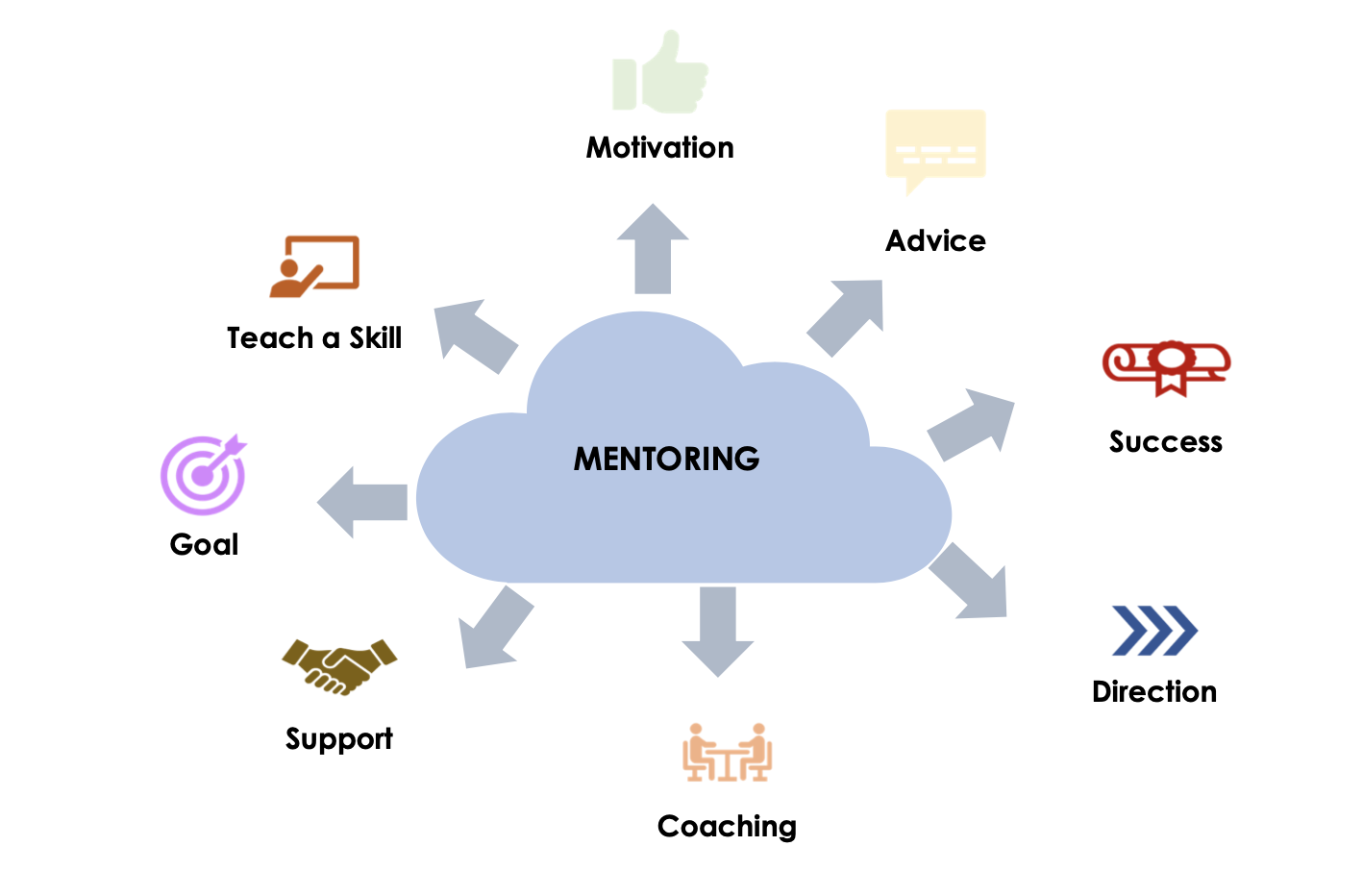
Mentoring is a long-term relationship where an experienced individual guides a less experienced person’s overall career development. The focus is on the transfer of knowledge, wisdom, and holistic growth.
Coaching, in contrast, is typically a short-term, goal-oriented process focused on improving a specific performance area or skill. The coach facilitates the individual’s discovery of their own solutions through questioning, listening, and feedback.
Is Coaching Included in Mentoring?
Yes. Mentoring can include coaching, and there is a significant overlap between the two roles, though the primary focus differs:
- Mentor: Acts as a trusted advisor, providing guidance, support, and insight based on experience.
- Coach: Uses skills like questioning, listening, and feedback to help individuals unlock their potential and find their own solutions.
A single relationship can integrate both approaches. A mentor may offer coaching at the mentee’s invitation, and the overall relationship can remain flexible, incorporating elements of both to achieve specific development goals.
Why Mentoring and Coaching Matters
Coaching and mentoring are essential components of a thriving workplace environment. These practices foster personal and professional development, leading to:
- Improved performance
- Enhanced confidence
- Greater job satisfaction
- Increased employee engagement
- Retention
- A supportive culture that can lead to sustained organisational success
Mentoring as per SETAs View in General
SETAs (Sector Education and Training Authorities) play a crucial role in skills development in South Africa by:
- Developing and implementing sector skills plans
- Facilitating learnerships
- Accrediting training programmes, including mentoring
Through this accreditation process, SETAs ensure that training, including mentoring, meets quality standards and is recognised by other institutions and employers. Mentoring equips individuals with the abilities to handle new demands, and SETAs often fund and facilitate these programmes.
Role of SETAs in Mentoring
Roles and Descriptions:
- Establish a Skills Development Framework – SETAs are responsible for establishing the framework for skills development within their economic sectors, including mentoring.
- Conduct Accreditation and Quality Assurance – They accredit training courses and providers, ensuring mentoring programmes meet recognised quality standards, and that credits earned are recognised by potential employers and educational institutions.
- Provide Funding and Facilitation – SETAs often facilitate and fund occupational-based training programmes, which can include mentoring initiatives designed to build workplace skills.
- Focus on Industry-Specific Training – Each SETA targets a specific economic sector, develops qualifications, and creates learning programmes tailored to that sector’s needs, including effective mentorship.
How Mentoring Fits into the Bigger Picture
Skills Enhancement: Mentoring is a key method for providing hands-on guidance and developing the skills protégés. The skills protégés
need to succeed in their careers and adapt to new demands.
Workplace Application: By developing skills and knowledge, mentoring programmes contribute to enhancing workforce capabilities and supporting economic growth.
Accredited Training: Mentoring programmes can be accredited by a SETA, such as the ETDP SETA for the Education and Training Sector, making training and competency in mentoring officially recognised.
The QCTO – Mentoring and Coaching
According to the QCTO’s Accreditation Policy (June 2022, Section 9.4, Subsection 9.4.7), a statement of delivery and quality assurance strategy linked to each module must include:
- Strategy to enrol learners
- Strategy to offer the knowledge component
- Strategy to offer the practical component
- Virtual, mobile, or blended learning strategy where applicable
- Strategy for workplace-based learning where applicable
- Applicable FISA or EISA strategy
- Strategy to support, mentor, and coach learners during training and rotation between venues
- Strategy to implement quality assurance
These strategies must be signed by the accounting officer and detail how and where learners will be trained, ensuring site visit verification can be accommodated.
What is Mentoring in the Workplace?
Mentoring in the workplace is an established partnership between colleagues for learning and growth.
The most common forms are:
- One-on-One – Traditional Mentorship A senior, experienced employee gives advice and support to a junior employee, known as “Informal Mentoring”.
- Informal Mentoring often occurs when a mentor takes a liking to a mentee. While valuable, informal mentoring can be exclusive or elitist and may lack process, making access harder in larger organisations.
To overcome biases and ensure equal opportunities, organisations should establish formal mentoring programmes.
When Should a Formal Workplace Mentoring Programme Be Established?
A formal programme is set up intentionally, with matched mentors and mentees and support for long-term development. Organisations can use any type of programme or AI tools to manage matches and relationships effectively. Formal programmes can lead to:
- Open mentoring opportunities across the organisation
- Remove bias from the process
- Encourage growth and development for all employees
Mentorship can improve and lead to:
- Diversity in leadership
- Knowledge sharing
- Easier onboarding processes
- Stronger company culture
- Reduction in learning costs
Studies show that 79% of millennials see mentoring as crucial to career success, and by 2025, they will make up over 75% of the workforce — making mentoring a top business priority.
Benefits of Coaching
Coaching contributes to:
- Strengthening success
- Leadership development
- Organisational behaviour change
- Wellbeing initiatives
Contribution to ROI
Mentoring and coaching improve organisational ROI through:
- Enhanced employee engagement
- Increased productivity
- Reduced turnover
- Faster skills development
Measuring ROI is key to securing stakeholder buy-in, demonstrating alignment with business objectives, and highlighting the value of these programmes.
Why Measure ROI of Mentoring and Coaching?
- To secure ongoing funding and support
- To demonstrate alignment with business objectives
- To showcase value to employees and associations
- To identify areas for improvement

How to Become a Coach and Mentor in the Workplace
Mentoring and coaching are essential tools in any learning and development strategy. They create lasting changes, strengthen company culture, and develop employees’ capabilities. The question isn’t “why mentoring is important,” it’s “why don’t we already have it?”
For those looking to become effective mentors or coaches, Colleen Osorio Skills Development Consultancy offers accredited learning programmes to get started.
Final Word
Mentoring and coaching are more than compliance checkboxes they’re opportunities to build capability, confidence, and resilience in the workplace. By aligning with SETA and QCTO requirements, organisations not only meet regulatory standards but also unlock real value for their people.
To become an effective Coach or Mentor, click on the link below to obtain the content of the Learning Programmes provided by Colleen Osorio Skills Development Consultancy (link).

Leave A Comment